Aviator has one of the simplest loops in online gaming: place a bet, watch the multiplier rise, and tap “Cash Out” before the plane flies away. If you cash out in time, you win your stake multiplied by the current multiplier. If the plane leaves first, you lose that round’s stake.
The controls take about two minutes to learn. The hard part is the timing decision, because that is where all the risk sits. Nothing on the screen tells you when a round will end.
This guide walks you through everything a first-time player needs:
- What to prepare before you play
- How to read the game screen
- How to place a bet and cash out, step by step
- How manual cash out, auto cash out, auto bet and the two-bet option work
- The beginner mistakes that cost the most money
- A long-term plan for playing sustainably, borrowed from the discipline of professional traders (with an honest warning about where the comparison breaks down)
A quick note on mindset: Aviator is entertainment with a cost. Play only with money you can afford to lose, and never chase losses.
What You Need Before Playing
Prepare these basics first:
- A licensed betting site or app that offers the official Aviator game. Check the licence in the site footer and confirm it with the regulator.
- A verified account. Depending on the operator, you may need to complete identity (KYC) checks before withdrawing.
- A deposit or demo access. Many operators offer a free demo mode with virtual credits. Use it if you can.
- A budget and stop-loss. Decide in advance how much you’re willing to lose in a session, and don’t change it mid-game.
- A stable internet connection. Rounds move quickly, and a laggy connection can make you miss a cash-out.
Also confirm that online gambling is legal where you live and that the operator accepts players from your country.
Understanding the Aviator Screen
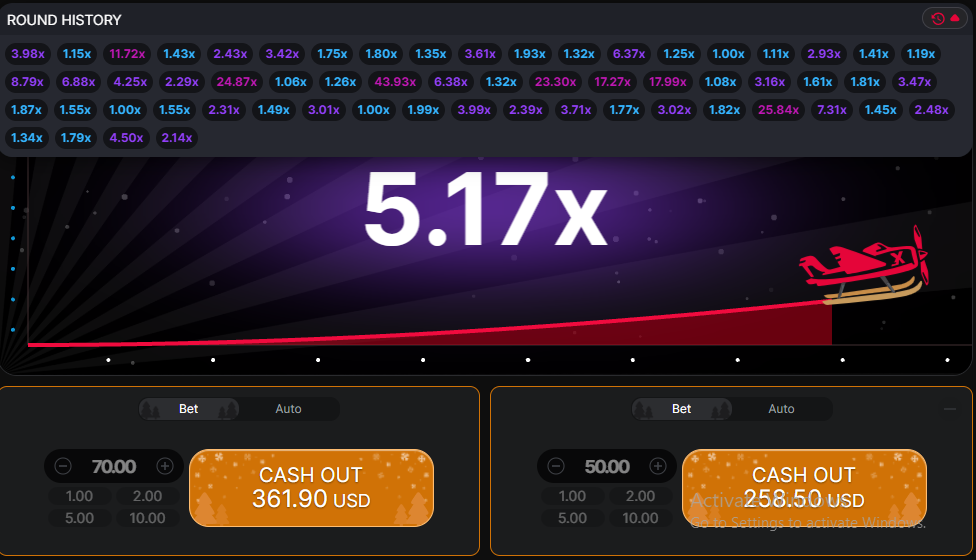
Layouts vary a little between operators, but most versions share these parts.
- Betting panel. Here you enter your stake and press “Bet.”
- Multiplier display. The rising number, starting at 1.00x, that sets your potential payout.
- Cash Out button. After a bet is live, this button shows your current potential payout. Tapping it locks in the win.
- Round history. A strip of previous multipliers. It’s interesting to look at, but it doesn’t predict the next result.
- Auto tab. Contains the Auto Bet and Auto Cash Out settings.
- Second bet panel. Many versions let you place two independent bets in the same round.
- Live bets and chat. You can see other players’ stakes and cash-outs in real time.
Step-by-Step: How to Play Your First Round
Step 1: Open Aviator
Log in to your betting account, then search for “Aviator” or open the crash-games section. Make sure you’re using the official version from a reputable operator, not a lookalike app or a link sent through social media.
Step 2: Set Your Stake
Enter the amount you want to bet before the next round begins. While you’re learning, use the minimum stake or the demo mode. Double-check the figure, since a typo can turn a small test into a big loss.
Step 3: Place Your Bet
Press “Bet” before the countdown ends. Once the plane takes off, betting for that round closes, and your bet joins the next round instead. Some interfaces let you cancel a bet before the round starts, but not after takeoff.
Step 4: Watch the Multiplier
The plane takes off and the multiplier climbs from 1.00x. A higher multiplier means a larger potential return, but also a greater chance the plane flies away first. The movement of the number tells you nothing about when the round will end.
Step 5: Cash Out Before the Plane Flies Away
Tap “Cash Out” while the plane is still on screen. The formula is:
Payout = stake × multiplier at cash-out
Example: A 1,000 USD stake cashed out at 1.80x returns 1,800 USD (800 USD profit). If the plane flies away at 1.60x before you tap, you lose the 1,000 USD.
Then the next betting window opens, and you can decide whether to play another round or stop. Stopping is always a valid choice.
Manual Cash Out vs Auto Cash Out
| Feature | How it works | Best for |
|---|---|---|
| Manual cash out | You tap “Cash Out” during the round to lock in the current multiplier. | Players who want full control |
| Auto cash out | You set a target multiplier in advance, and the game cashes out automatically if the plane reaches it. | Beginners who want consistent rules and less reaction pressure |
Auto cash out removes emotion and slow-finger errors, which is why many experienced players favour it. It does not guarantee a win and doesn’t change the randomness of the game. If your target is 2.00x and the plane leaves at 1.70x, you still lose.
Test auto cash out in demo mode first, if available, so you understand exactly how your chosen setting behaves.
How to Use Auto Bet
Auto Bet repeats your chosen stake across multiple rounds without you pressing “Bet” each time. Typical settings include:
- The number of rounds to automate
- Stop conditions (for example, stop after a certain loss or win)
- The stake size
Automation is where beginners get hurt. Rounds pass quickly, and losses can pile up while you aren’t paying attention. Before you enable Auto Bet:
- Set a loss limit.
- Keep the number of rounds small.
- Stay at the screen, and don’t leave it running unattended.
Playing With Two Bets
Many versions of Aviator let you place two separate bets in a single round, each with its own stake and cash-out decision. A common beginner-friendly setup is:
- Bet A: a smaller stake with a low auto cash-out (for example 1.50x), aimed at steady, frequent wins.
- Bet B: a larger or equal stake with a higher target (for example 3.00x), aimed at occasional bigger wins.
Be clear about what this is: a way to spread risk across targets, not a guaranteed strategy. If the plane flies away early, both bets lose. Total money at risk per round is the sum of both stakes, so count it that way in your budget.
For more on this, see Best Aviator Game Betting Strategies Compared.
Beginner Mistakes to Avoid
- Betting more than your session budget. Set the limit before you start and stick to it.
- Increasing stakes to recover losses. This is how small losses become big ones.
- Believing the history predicts the next round. Each round is independent. A run of low crashes doesn’t make a high one “due.”
- Using “predictor” apps or hacks. Signal groups and prediction tools can’t predict a random outcome, and many are scams designed to steal deposits or data.
- Leaving Auto Bet running with no limits.
- Hesitating at the cash-out. Waiting “just a little longer” is the most common way to lose a round. Decide your exit before the round starts.
- Playing tired, upset or after drinking. Poor judgment makes every other mistake worse.
A Long-Term Plan: Think Like a Disciplined Trader
You want a long-term plan that resembles how top forex traders stay profitable? The habits of professional traders are worth borrowing, because they are the best-known way to control losses. But there is a crucial difference, and you deserve the honest version of it.
The honest part first. Professional traders can be profitable only if they have a genuine edge: a method whose expected result per trade is positive after costs. Even then, most retail forex traders lose money. Aviator has the opposite structure. Its published return to player is around 97%, which means the game keeps roughly 3% of all wagers over the long run. Every round has a negative expected value for you, whether you cash out at 1.20x or 20x. Therefore you need to develop a strategy that will give you an advantage and you stick to it no matter the outcome of today.
What a trader’s discipline can do is help you keep losses small, keep control, and keep the game fun. Here’s how those habits translate.
1. Set a risk limit per round (position sizing)
Professional traders typically risk only a small percentage of their capital on any single trade, commonly 1% or less. Do the same: keep each stake at roughly 1–2% of your session bankroll. With a 50,000 USD bankroll, that’s 500–1,000 USD per round. Small stakes mean a bad streak can’t wipe you out in minutes.
2. Define your daily stop-loss before you play
Traders set a maximum daily loss and stop when they hit it. Choose yours in advance (for example, 10–20% of the session bankroll) and walk away when you reach it. This rule matters most when you feel like “one more round.”
3. Set a profit target and take the win
Traders also decide when they’ve done enough. If you’re up by a chosen amount, such as 20–30% of your bankroll, stop and keep the money. The longer you play, the more the house edge grinds against you, so quitting while ahead is the only reliable way to leave with winnings.
4. Never use money you need
Professional traders trade with risk capital, money whose loss won’t affect rent, food, school fees or family. The same applies here. Your gambling budget should be a fixed, small slice of discretionary spending.
5. Keep a journal
Serious traders log every trade. Do the same with your sessions: date, time, starting balance, stakes, cash-out targets, ending balance and your emotional state. Over a few weeks, the journal usually shows the honest result (a net loss, for most people) and reveals patterns like tilt after losses. If the numbers are unpleasant, that’s the journal doing its job.
6. Follow rules, not feelings
Top traders win by executing a plan consistently and avoiding emotional decisions. Write your rules down: stake size, auto cash-out target, stop-loss, session length. Then follow them. If you break the rules, end the session.
7. Never “revenge trade”
After a loss, traders are taught not to jump back in to win it back. In Aviator that means no doubling stakes (Martingale-style) after a loss. Doubling feels logical, but it escalates stakes fast and a short losing streak can exhaust your bankroll. It also doesn’t change the odds.
8. Review monthly and be ready to quit
Traders review performance regularly and stop strategies that don’t work. Once a month, add up your journal. If you’re consistently spending more than you planned, or the game stopped being fun, reduce your budget or stop playing entirely.
What success looks like
The realistic goal of this plan isn’t a steady income from Aviator. It’s to play within a fixed, affordable entertainment budget, avoid catastrophic losses, and leave when your limits say so. If you want to build wealth, look at saving, investing or developing skills, not at a game with a built-in house edge.
FAQs
How long is an Aviator round?
Rounds are short, usually seconds up to roughly a minute, but exact timing varies by platform and by round.
Can I cancel a bet after placing it?
Usually only before the round begins. After takeoff, the bet is locked in. Check your platform’s interface.
What multiplier should beginners aim for?
There is no best multiplier. Lower targets are reached more often but pay less, higher targets pay more but are reached less often, and every round remains random. Pick a target that fits your budget and stick to it.
Do I need to download an app?
Not always. Many licensed sites offer Aviator directly in the browser. If you use an app, download it only from the operator’s official site or an official app store.
Can I practise without real money?
Yes, if the platform offers a demo mode. It’s the best way to learn the interface without risk.
Can any strategy guarantee profit?
No. Because each round is random and the game has a house edge, no strategy can guarantee profit. Good habits only help you control losses.
What should I do if gambling stops being fun?
Use the operator’s self-exclusion and deposit-limit tools, talk to someone you trust, and contact a local support service or helpline.
Conclusion
Playing Aviator comes down to a five-step loop: set your stake, bet before takeoff, watch the multiplier, cash out in time, and repeat only within your budget. Learn the interface in demo mode, treat auto cash out and auto bet as tools that need limits, and remember that two bets mean double the money at risk.
The trader-style plan above won’t make Aviator profitable, since nothing can, but it can keep your play controlled, affordable and enjoyable. Treat Aviator as entertainment, not a way to make money.
Keep reading: